Cute Deer Baby: A Designer’s Review for Branded Merch
As an embroidery designer who has spent years digitizing files for small businesses, I approach every new machine embroidery design with a critical eye. It is not enough for a file to simply look cute on a screen; it must perform under the needle, withstand washing, and elevate the brand identity of the client using it. Recently, I evaluated Cute Deer Baby, a design categorized under Baby Animals, to determine its viability for commercial embroidery projects beyond the nursery.
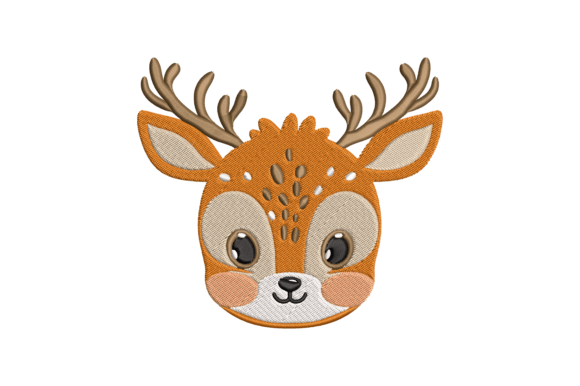
The initial impression of Cute Deer Baby is one of approachable warmth. The description highlights an adorable baby deer head, positioning it as ideal for nursery rooms or baby clothes. However, from a business perspective, this aesthetic translates into a powerful tool for brands seeking to project friendliness, care, and organic quality. Whether you run a boutique bakery, a floral studio, a pet supply shop, or a handmade craft business, the visual language of a gentle animal mascot can significantly boost customer trust and engagement.
Visual Personality and Brand Alignment
When reviewing Cute Deer Baby, I looked for specific stylistic markers. Does it feel premium? Is it too childish for adult apparel? The design strikes a balance between playful and classic. It avoids overly complex shading that might muddy up on textured fabric, relying instead on clean lines that define the deer’s features. This simplicity is crucial for small business merch where clarity equals professionalism.
For a local café or a creative studio, this design works exceptionally well as a subtle chest logo accent or a sleeve detail. It suggests a brand that values nature, gentleness, and attention to detail. Unlike aggressive or corporate logos, Cute Deer Baby invites connection. It is perfect for brands that want their custom apparel to feel like a gift rather than a uniform. This emotional resonance is what drives buyer engagement on platforms like Etsy and in physical retail spaces.
Real-World Applications for Small Business Merch
The versatility of this digital embroidery file extends far beyond baby onesies. Here is how I envision Cute Deer Baby performing in various commercial contexts:
- Embroidered Patches: This is perhaps the strongest use case. A well-digitized deer head makes for a charming iron-on or sew-on patch. Businesses can use these as branded product add-ons, sealing tissue paper in packaging or attaching them to tote bags as a unique selling point.
- Apron Embroidery: For bakeries, florists, or artisan soap makers, stitching this design onto the bib of a staff apron adds a layer of handmade authenticity. It softens the professional look while maintaining a cohesive brand identity.
- Cap Embroidery: Placed on the front panel of a dad hat or baseball cap, the compact nature of a deer head works well. It serves as a recognizable icon that customers are proud to wear in public, turning them into walking advertisements for your brand.
- Tote Bag Design: Canvas totes are a staple for eco-conscious brands. Cute Deer Baby provides a focal point that breaks up large areas of blank fabric, adding value to what might otherwise be a generic promotional item.
- Event Merch and Customer Gifts: Use the design for limited-run merchandise at craft fairs or as a thank-you gift for high-value clients. It reinforces the personal touch that small businesses excel at providing.
Technical Considerations and Production Notes
While the aesthetic appeal is strong, technical execution is where many designs fail. As a designer, I advise caution and testing before committing to a large production run. Here are the critical factors to evaluate when using Cute Deer Baby for your finished product.
First, consider the stitch density. Designs intended for baby clothes often have lower density to keep the fabric soft. If you are stitching this onto heavy canvas for a tote bag or a structured cap, ensure the design has enough coverage to look substantial without causing puckering. Conversely, if the density is too high for a lightweight t-shirt, it may pull the fabric out of shape. Always check the file details provided by the creator regarding recommended fabric types.
Second, assess the thread colors and contrast. A baby deer design likely relies on subtle browns, creams, and blacks. On dark uniforms, such as navy or black staff shirts, you must ensure there is sufficient contrast. You may need to adjust the color palette in your embroidery software to include lighter outlines or highlights so the design does not disappear into the fabric texture. Testing in black and white first is a pro tip to verify that the shape remains recognizable even without color differentiation.
Third, pay attention to the hoop size and placement. The description notes it is perfect for accessories, which implies a smaller scale. When scaling down for a pocket logo or a small patch, fine details can get lost. Inspect the spacing between the antlers and the eyes. If the elements are too close, they may merge during stitching. Create a printable mockup at the actual size you intend to stitch to verify legibility before hooping your final fabric.
Navigating Fabric and Stabilizer Challenges
The success of any embroidery file depends heavily on the stabilizer and fabric combination. For Cute Deer Baby, which likely features curved lines and organic shapes, using the correct stabilizer is non-negotiable. On stretchy fabrics like jersey tees, a cut-away stabilizer is essential to prevent distortion over time. For woven fabrics like twill caps or denim aprons, a tear-away might suffice, but always test on a scrap piece first.
Be particularly careful with textured fabrics. If you are stitching on a fluffy towel or a rough burlap sack, the intricate details of the deer’s face may get swallowed by the pile. In these cases, consider using a topping stabilizer to keep the stitches on top of the texture. This ensures the handmade product looks crisp and professional, rather than messy or undefined.
Commercial Licensing and Final Verdict
Before integrating Cute Deer Baby into your design assets, you must confirm the commercial licensing terms. Not all digital files allow for unlimited mass production or resale of the stitched items. Check the specific license included with the download. If the documentation is unclear, contact the seller directly. Using a design without proper clearance can jeopardize your small business’s reputation and legal standing.
In conclusion, Cute Deer Baby is more than just a decorative element for nurseries. It is a versatile branding tool for any business that wants to convey warmth, nature, and quality. By carefully managing thread colors, stabilizer choices, and placement, you can transform this simple deer head into a powerful component of your brand identity. Whether used on a barista’s apron, a customer’s tote bag, or a boutique’s packaging, it adds that essential human touch that distinguishes handmade brands from mass-market competitors. Test it, refine it, and let it work for your business.