Gingerbread Boy Applique: A Craft Fair Review
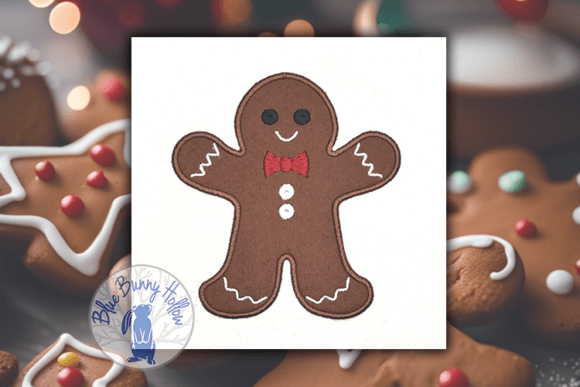
As an embroidery designer who has spent countless hours behind a machine and even more hours standing behind a booth at local markets, I know that not every design translates into sales. When I first loaded the Gingerbread Boy file into my software, I was looking for that specific spark that turns a simple stitch-out into a must-have holiday item. This design promises a festive stitching adventure, featuring charming buttons and a dapper tie, and after putting it through its paces on various fabrics, I am ready to share my professional assessment for fellow makers.
First Impressions and Visual Appeal
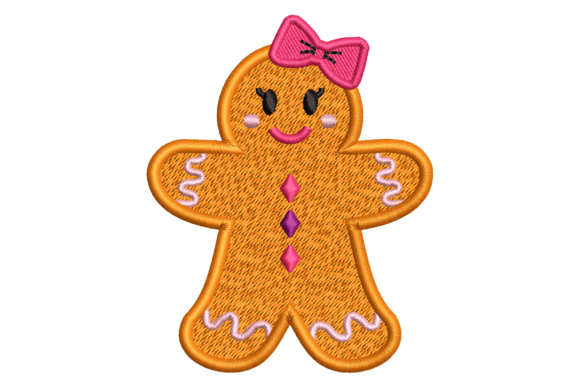
The immediate vibe of this Gingerbread Boy is undeniably cheerful and classic. It does not try to be overly modern or minimalist; instead, it leans into the warm, nostalgic feeling of traditional holiday baking. The inclusion of the "dapper tie" adds a touch of personality that separates it from generic gingerbread men. For a craft fair setting, this character feels approachable and friendly. It is bold enough to be seen from a few feet away but detailed enough to invite closer inspection. The applique nature of the design is a significant advantage here, as it allows for texture contrast between the fabric body and the embroidered details, creating a premium look without excessive stitch time.
Product Versatility for Holiday Markets
One of the most critical questions for any Etsy seller or boutique maker is: where does this design belong? Based on its structure, the Gingerbread Boy is incredibly versatile. Here is how it performs across different handmade product categories:
- Tote Bags and Market Bags: This is perhaps the strongest application. The applique style holds up well on canvas or cotton tote bags. Placing the design centrally creates a strong focal point that draws customers into your booth. It works beautifully as a tote bag design because the flat surface ensures the stitches lay evenly.
- Aprons and Tea Towels: For kitchen-themed gifts, this design shines. Apron embroidery benefits from the playful theme, making it a perfect gift for the hostess who loves to bake. However, when doing tea towel embroidery, you must be mindful of the fabric texture. Waffle weave towels can distort small details, so ensure your stabilizer is robust.
- Embroidered Patches: If you are looking to create low-risk inventory, turning this into an embroidered patch is a smart move. Patches allow customers to customize their own items later, expanding your potential buyer base beyond those who want a finished garment.
- Caps and Curved Surfaces: While possible, placing a full-body character on a curved cap requires careful hooping. The "dapper tie" detail might get distorted if the hoop tension is not perfect. I recommend testing this on a scrap cap before committing to a full batch.
Production Practicality and Batch Selling
For those of us running a small shop product line, efficiency is key. The applique technique used in the Gingerbread Boy design generally means lower stitch density compared to a fully filled satin stitch design. This is excellent news for production speed. You can stitch out multiple units in a day, which is crucial when preparing for a busy weekend craft fair. The design is repeatable, meaning once you dial in your thread tensions and fabric placement, the second hundred units will look just as good as the first.
Photography is another major factor. This design photographs exceptionally well because the contrasting fabric of the applique pops against background colors. When creating your printable mockup or listing images, use warm, neutral backgrounds to let the gingerbread tones stand out. High-quality photos of this finished product can significantly boost engagement on social media and your online store.
Technical Considerations and Careful-Use Notes
While the design is user-friendly, there are technical aspects to consider to ensure professional results. Since this is an applique, the raw edges of the fabric need to be covered securely by the satin stitch border. If you are using a slippery fabric or a very textured material, the edges may fray or shift. Always use a high-quality cut-away or tear-away stabilizer depending on the garment type. For stretchy fabrics like t-shirts, a cut-away is non-negotiable to prevent puckering.
Pay close attention to the "charming buttons" mentioned in the description. If these are stitched elements rather than physical buttons, ensure they are large enough to remain clear at smaller sizes. If you plan to scale the design down for small pouches or ornaments, check that these tiny details do not become a blob of thread. Conversely, if scaling up for a pillow cover, ensure the thread colors have enough contrast to define the shape clearly.
Dark fabrics can be tricky with traditional gingerbread brown tones. If you are stitching on navy or black, consider using a lighter tan or cream fabric for the applique body to maintain visibility. Always test the design on scrap fabric that matches your final product material before starting your production run.
Maximizing Sales and Brand Consistency
Integrating the Gingerbread Boy into your holiday collection can strengthen your brand’s consistency if you already lean towards whimsical or traditional styles. It acts as a conversation starter in your booth display. Customers often stop to admire the "cute" factor, giving you the opening to discuss the quality of your commercial embroidery work.
To maximize value, consider bundling items. A tote bag with the Gingerbread Boy paired with a matching tea towel creates a higher perceived value and increases the average order size. For digital sellers, if you are offering this as a digital embroidery file, ensure you provide clear instructions on fabric recommendations and hoop placement to reduce customer support queries.
Final Designer Verdict
Before you launch this into your shop, remember to verify the specific technical details. Check the recommended hoop size to ensure it fits your machine’s capabilities. Confirm the commercial licensing terms if you are buying this as a design asset from a third party, ensuring you have the right to sell craft fair products made with it.
In summary, the Gingerbread Boy is a strong contender for the holiday season. It balances charm with practicality, offering a design that is quick to produce yet visually engaging. Whether you are an experienced Etsy seller or a new crafter hitting your first market, this design offers a reliable path to creating memorable, sellable Christmas items. Just remember to test, stabilize, and present it with pride, and it will likely become a staple in your seasonal lineup.