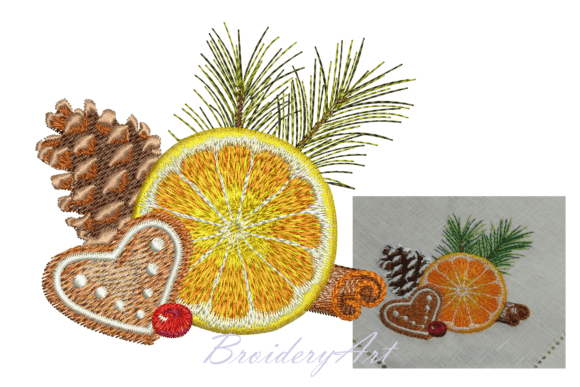
Reviewing Christmas Tea for Branded Holiday Merch
As an embroidery designer who has spent years digitizing logos and testing designs for small business clients, I approach every new machine embroidery design with a critical eye. It is not just about whether a motif looks pretty on a screen; it is about how it performs on fabric, how it holds up in the wash, and most importantly, how it elevates a brand’s identity. Today, I am reviewing Christmas Tea, a festive design intended to create a holiday mood and decorate items like napkins and gifts. For small business owners, Etsy sellers, and boutique creators, understanding the practical application of this design is crucial before investing in production.
First Impressions and Visual Personality
The title Christmas Tea immediately evokes a sense of warmth, tradition, and comfort. In the world of branding, these are powerful emotional triggers. When I visualize this design, I see something that leans towards the rustic, handmade, and elegant side of the spectrum rather than the bold or modern. It suggests a cozy atmosphere, perfect for businesses that want to project friendliness and premium care. Whether you run a local café, a handmade soap shop, or a floral studio, this aesthetic aligns well with brands that value personal connection and artisanal quality.
The description notes that the design comes with multiple embroidery files. This is a significant advantage for professional use. Different file formats ensure compatibility with various machine brands, while multiple sizes allow for versatility. However, without seeing the actual stitch map, we must assume the design relies on classic holiday motifs. The key question for any designer is: does it translate well from digital to physical? A design that looks intricate on a computer can sometimes become a muddy mess if the stitch density is too high or if the details are too fine for the chosen fabric.
Strategic Applications for Small Business Merch
For small business owners, every piece of merchandise is a walking advertisement. Here is how Christmas Tea can be strategically deployed across different product lines to maximize brand visibility and customer engagement.
- Embroidered Patches: This is perhaps the most versatile application. An embroidered patch featuring this design can be ironed or sewn onto denim jackets, canvas bags, or even laptop sleeves. Patches allow customers to customize their own gear, increasing the perceived value of your small business merch.
- Staff Uniforms and Aprons: For cafes and bakeries, holiday-themed apron embroidery adds a festive touch without requiring a complete uniform overhaul. A small, well-placed motif on the chest or pocket area looks professional and inviting. It signals to customers that your team is engaged and celebrating the season with them.
- Tote Bag Design: Canvas tote bags are staples for eco-conscious brands. Placing Christmas Tea centrally on a tote creates a statement piece. Ensure the hoop size is large enough to capture the full detail of the design without distortion. This turns a simple bag into a desirable handmade product accessory.
- Cap Embroidery: If the design includes simplified elements, it can work beautifully on the front panel of a baseball cap. However, curved surfaces require careful digitizing to prevent puckering. This is an excellent way to offer limited-edition holiday headwear.
Navigating Technical Challenges and Fabric Constraints
While the concept is charming, executing Christmas Tea requires technical precision. As a designer, I always advise testing the digital embroidery file on scrap fabric before committing to final products. Here are the critical areas where things can go wrong if not managed properly.
First, consider the fabric texture. Delicate linens, often used for napkins as suggested in the product description, require a lightweight cut-away or tear-away stabilizer to prevent the fabric from gathering around the stitches. If you are embroidering on thick towels or heavy canvas, you may need a stronger stabilizer and potentially a topping to keep the stitches from sinking into the pile.
Second, watch out for tiny lettering or intricate outlines. If Christmas Tea includes text, ensure it is legible at smaller sizes. Small text can easily become unreadable if the thread colors blend into the fabric or if the stitch count is too low. I recommend running a test in black and white first. If the design loses its shape without color contrast, it may need simplification for smaller applications like sleeve details or pocket logos.
Third, consider the end-user experience. Items that undergo frequent washing, such as staff uniforms or kitchen linens, must be durable. High stitch density can make fabric stiff and uncomfortable. Balance aesthetic appeal with wearability. A design that feels like a plastic plate on a shirt will not encourage repeat purchases.
Enhancing Brand Identity and Customer Trust
Consistency is key to building brand identity. Using a cohesive design like Christmas Tea across various touchpoints—packaging, apparel, and gifts—creates a unified visual language. When a customer receives a gift wrapped in tissue paper adorned with a matching embroidered tag, or when they see baristas wearing aprons with the same festive motif, it reinforces professionalism and attention to detail.
This level of consistency builds trust. It tells the customer that you care about every aspect of their experience. For Etsy sellers and crafters, offering items with high-quality commercial embroidery distinguishes you from mass-produced competitors. It highlights the finished product as a premium item worthy of a higher price point.
Moreover, seasonal designs drive urgency and engagement. Limited-time merchandise creates a fear of missing out (FOMO) among buyers. By integrating Christmas Tea into your holiday collection, you tap into the emotional spending habits of the season, boosting sales while enhancing brand loyalty.
Practical Designer Notes for Production
Before you launch your holiday campaign using this design, follow these essential steps to ensure quality and compliance:
- Verify Licensing: Always confirm the commercial license terms included with the embroidery file. Ensure you have the right to sell items made with this design. Never assume; read the documentation provided by the creator.
- Create a Printable Mockup: Use design software to place the motif on images of your actual products. This helps you visualize scale and placement before stitching a single thread. Share these mockups with clients for approval if you are doing custom work.
- Test Thread Colors: Select thread colors that complement your brand palette. Traditional reds and greens work for Christmas, but consider metallics or neutrals for a more modern, sophisticated look. Contrast is vital for visibility.
- Check Hoop Size Compatibility: Ensure the design fits within your machine’s hoop capabilities. If resizing is necessary, do so carefully to avoid distorting the aspect ratio, which can ruin the design’s integrity.
- Inspect Stitch Density: If possible, review the stitch count. Higher counts mean longer production times and more thread usage, which affects your profit margin. Optimize where possible without sacrificing quality.
In conclusion, Christmas Tea offers a delightful opportunity for small businesses to infuse their merchandise with holiday spirit. By approaching it with a designer’s mindset—focusing on fabric choice, technical execution, and brand consistency—you can transform a simple digital file into a powerful tool for customer engagement and sales growth. Treat each embroidered item as a reflection of your brand’s quality, and your customers will notice the difference.